HDD vs open trenching: when directional drilling wins
Trenching is simple and sometimes right. But every crossing of a road, river, rail line or finished landscape reprices the job — that is where HDD earns its place.
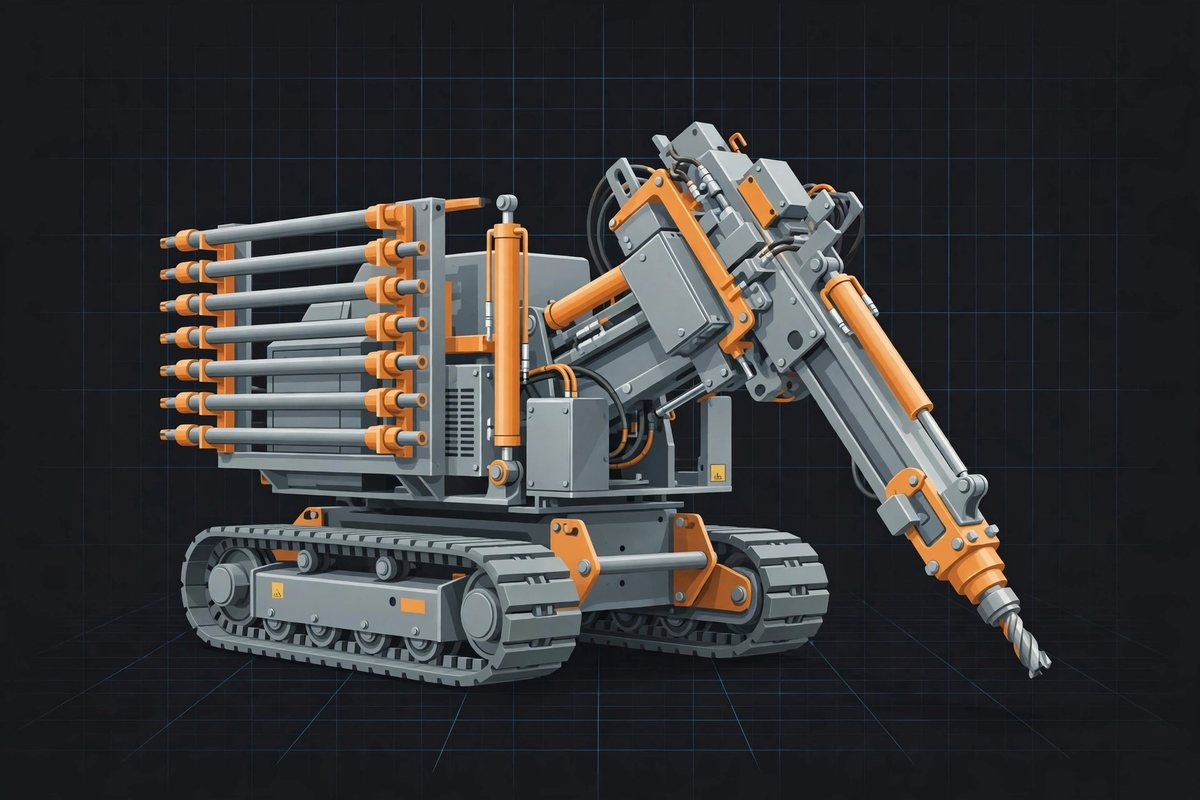
How an HDD bore is made
- Pilot bore: a steerable head drills the designed path, tracked from the surface by a walk-over locator.
- Reaming: the hole is enlarged, often in stages, while drilling fluid carries cuttings back and stabilizes the bore.
- Pullback: the product pipe (HDPE or steel) is attached behind the reamer and pulled through the finished bore.
Nothing on the surface between entry and exit pits is touched. That single fact drives most of the economics below.
Where HDD wins
- Crossings: roads, highways, rail, rivers and canals — where trenching is prohibited, permitted at great cost, or needs traffic management.
- Finished surfaces: paved streets, sidewalks, landscaping and driveways that trenching would destroy and then bill you to restore.
- Depth: lines that must pass under existing utilities or a riverbed, below trenching's practical reach.
- Schedule: no trench to shore, backfill and compact; many crossings finish in a day or two.
Where trenching still wins
Short, shallow runs across open ground — a farm field, a new development before paving — are usually cheaper trenched. Trenching also handles very large diameters and precise shallow grades (gravity sewers) that are hard to hold on a bore. The honest comparison is total cost per installed metre including restoration, permits and traffic control, not machine day rates.
Ground sets the limits
- Sand and clay: ideal steering and hole behavior.
- Gravel and cobble: the head deflects off stones; success drops and tooling costs rise — pilot holes tell the truth early.
- Rock: drillable with the right heads and motors, at rock prices; a crawler combination rig may serve better for some crossings.
- Very soft or flowing ground: steering and hole stability get difficult; fluid management decides.
A rig in the 18 t pullback class, such as the NaviDrill H18, covers most utility work: bores to about 1,000 ft (300 m) in favorable soils and reamed diameters to about 28 in.
Common questions
How far can a compact HDD rig bore?
Up to about 1,000 ft (300 m) in favorable soils for an 18 t class rig. Rock, cobble and mixed ground shorten practical lengths — quotes should always be against your ground.
Is HDD always cheaper than trenching?
No. On open ground with cheap digging, trenching wins. HDD wins when restoration, permits, traffic control or the crossing itself dominate the trench price.
What pipe can be pulled in?
HDPE is the common product for water, gas and conduit; steel is used where the design calls for it. Diameter is set by the final ream pass.
Related: NaviDrill H18 · trenchless applications · delivery terms
Need a quote?
Tell us the job and the location. We quote equipment and shipping together.